

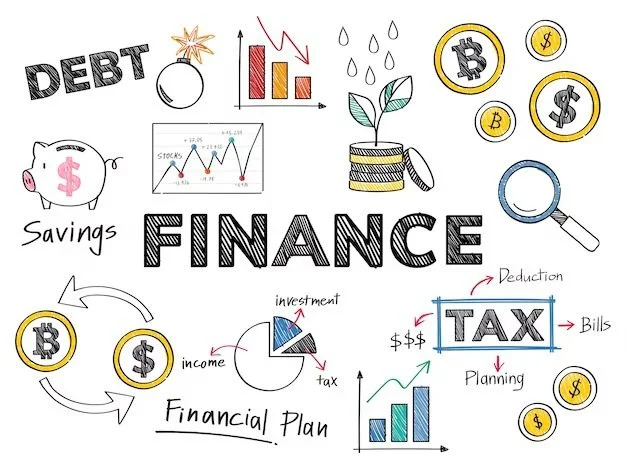
Financial planning is often misunderstood as a purely mathematical exercise. While numbers matter, effective financial planning goes much deeper. It shapes decisions, behaviors, and long-term security, helping people align money with life goals, values, and peace of mind.
Financial Planning Starts with Personal Goals
Money decisions make the most sense when they’re connected to what truly matters.
Common life goals tied to financial planning
- Career flexibility
- Home ownership
- Family security
- Retirement lifestyle
Without clear goals, even the best financial strategies can feel directionless.
The Emotional Side of Money Decisions
Money is deeply emotional. Fear, confidence, stress, and optimism all influence financial behavior.
How emotions affect finances
- Fear can lead to overly cautious decisions
- Overconfidence may increase risk-taking
- Stress often triggers short-term thinking
Acknowledging emotions leads to better, more balanced financial choices.
Financial Planning Builds Confidence and Control
A clear plan reduces uncertainty and replaces anxiety with clarity.
Benefits of having a plan
- Clear priorities for spending and saving
- Confidence during economic uncertainty
- Better responses to unexpected expenses
Control comes from understanding options—not just tracking numbers.
Financial Planning Shapes Daily Habits
Long-term plans influence everyday financial behavior more than most people realize.
Habits shaped by planning
- Consistent saving
- Mindful spending
- Thoughtful debt management
Small daily choices compound into significant long-term outcomes.
It’s About Trade-Offs, Not Just Totals
Financial planning forces meaningful decisions about priorities.
Examples of financial trade-offs
- Spending now versus saving for later
- Career income versus work-life balance
- Security versus higher potential returns
Understanding trade-offs helps people make decisions they can live with.
Financial Planning Supports Life Transitions
Major life changes often come with financial complexity.
Transitions that benefit from planning
- Career changes
- Marriage or parenthood
- Starting or selling a business
- Retirement
Planning provides stability during periods of uncertainty.
Risk Management Is a Human Decision
Risk tolerance isn’t just about age or income—it’s personal.
Factors that shape risk comfort
- Personal experiences
- Family responsibilities
- Long-term expectations
Good financial planning respects emotional comfort alongside financial capacity.
Financial Planning Aligns Money with Values
Money reflects priorities. Financial planning helps ensure those priorities are intentional.
Values-based financial planning
- Supporting causes that matter
- Investing ethically
- Creating meaningful legacies
When money aligns with values, decisions feel more fulfilling.
Numbers Support the Plan—They Don’t Define It
Budgets, projections, and investment models are tools, not the goal.
What numbers really do
- Measure progress
- Highlight opportunities
- Identify potential risks
The human context gives numbers their meaning.
Frequently Asked Questions
Is financial planning only for wealthy individuals?
No. Financial planning is valuable at every income level.
How often should a financial plan be reviewed?
At least annually or after major life changes.
Can financial planning reduce money-related stress?
Yes. Clear plans reduce uncertainty and improve decision confidence.
Is budgeting the same as financial planning?
Budgeting is one part of financial planning, but planning includes goals, risk, and long-term strategy.
How does financial planning help during economic uncertainty?
It provides structure, flexibility, and a clear response strategy.
Can financial planning improve relationships?
Yes. Shared financial goals improve communication and reduce conflict.
Do financial plans need to be rigid?
No. The best plans adapt as life and priorities change.

Comments are closed.