

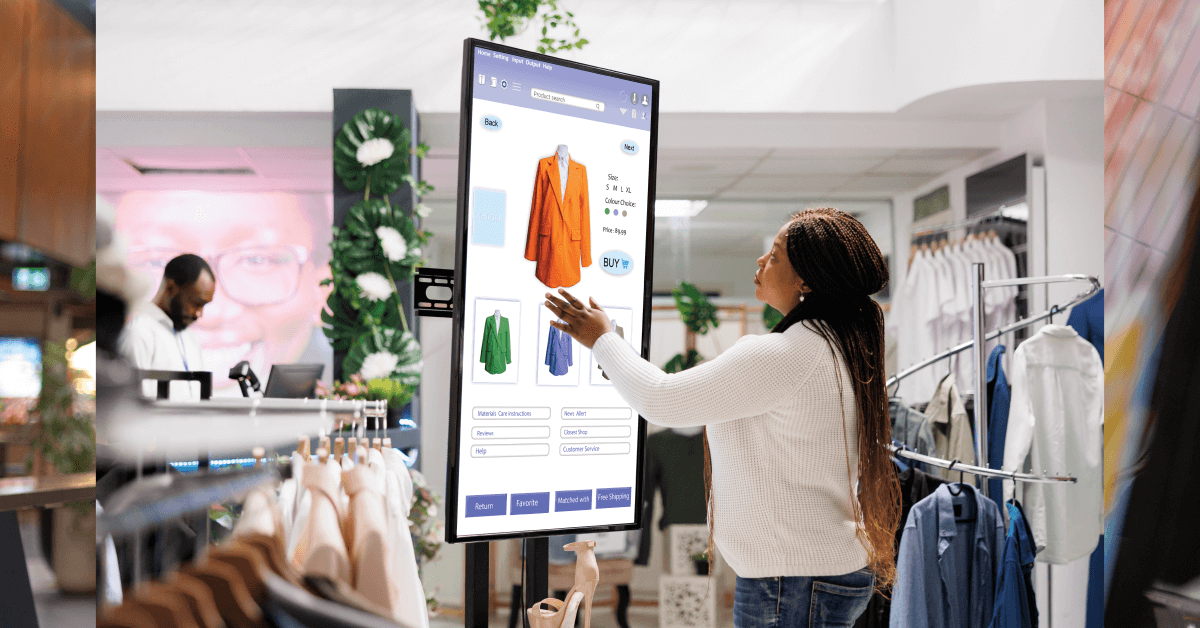
Shopping has shifted from a one-size-fits-all model to experiences tailored around individual preferences. Personalization uses data, behavior, and context to create interactions that feel relevant, efficient, and human. When done well, it benefits both shoppers and businesses.
What Personalization Means in Modern Shopping
Personalization adapts products, content, and interactions based on individual customer data rather than treating everyone the same.
Common forms of personalization
- Product recommendations based on browsing history
- Personalized emails or notifications
- Customized homepage layouts
The goal is relevance—showing shoppers what actually matters to them.
Why Shoppers Value Personalized Experiences
Modern consumers expect convenience and recognition. Personalization reduces friction and saves time.
Key shopper benefits
- Faster product discovery
- Less information overload
- More satisfying purchase decisions
When shoppers feel understood, the experience becomes more enjoyable and less overwhelming.
Personalization Builds Stronger Emotional Connections
Shopping is not purely transactional. Emotional engagement plays a major role in loyalty.
How personalization strengthens connection
- Makes customers feel recognized
- Creates familiarity with the brand
- Encourages repeat engagement
These emotional signals often matter more than discounts alone.
Improving Decision-Making Through Relevance
Too many choices can lead to decision fatigue. Personalization narrows options intelligently.
Decision-support benefits
- Highlights products aligned with preferences
- Reduces unnecessary comparisons
- Increases confidence in selections
Relevant suggestions help shoppers decide faster and with less stress.
Enhancing Convenience Across Channels
Personalization creates continuity whether shopping happens online, in-store, or on mobile.
Cross-channel advantages
- Consistent recommendations across platforms
- Saved preferences and shopping history
- Seamless transitions between devices
This consistency makes shopping feel effortless rather than fragmented.
How Personalization Improves Business Outcomes
Personalization doesn’t just help customers—it drives measurable business growth.
Business benefits
- Higher conversion rates
- Increased average order value
- Improved customer retention
When shoppers see relevant products, they’re more likely to buy and return.
Trust and Transparency in Personalization
Personalization works best when customers trust how their data is used.
Trust-building practices
- Clear data usage explanations
- Easy preference controls
- Respect for privacy boundaries
Transparency ensures personalization feels helpful, not intrusive.
The Role of Technology in Personalized Shopping
Advanced technology enables personalization at scale.
Key enablers
- Data analytics and behavioral tracking
- Artificial intelligence and machine learning
- Real-time content delivery
These tools allow experiences to adapt instantly as customer behavior changes.
Personalization Beyond Products
Personalization extends to communication, timing, and service.
Beyond-the-product personalization
- Tailored customer support responses
- Personalized promotions and timing
- Customized loyalty rewards
The experience feels cohesive when every interaction aligns with the customer.
Why Personalization Is the Future of Shopping
As competition increases, relevance becomes a key differentiator. Personalization transforms shopping from a task into an experience.
It’s not about pushing more products—it’s about making every interaction count.
Frequently Asked Questions
Is personalization only important for online shopping?
No. In-store and hybrid shopping benefit equally through personalized service and recommendations.
Does personalization increase impulse buying?
It can, but its main value is helping shoppers find what they genuinely want faster.
How does personalization affect customer loyalty?
Relevant experiences increase satisfaction, which strongly supports long-term loyalty.
Can personalization feel intrusive?
Yes, if done poorly. Transparency and user control prevent this issue.
Do small retailers benefit from personalization?
Absolutely. Even simple personalization can significantly improve customer engagement.
Is personalization expensive to implement?
Costs vary, but many tools are now accessible and scalable for different business sizes.
Will personalization replace human interaction?
No. It enhances human interaction by making it more relevant and informed.
Personalization improves shopping experiences by reducing friction, increasing relevance, and building trust. When customers feel seen rather than sold to, shopping becomes smoother, more enjoyable, and far more memorable.

Comments are closed.