

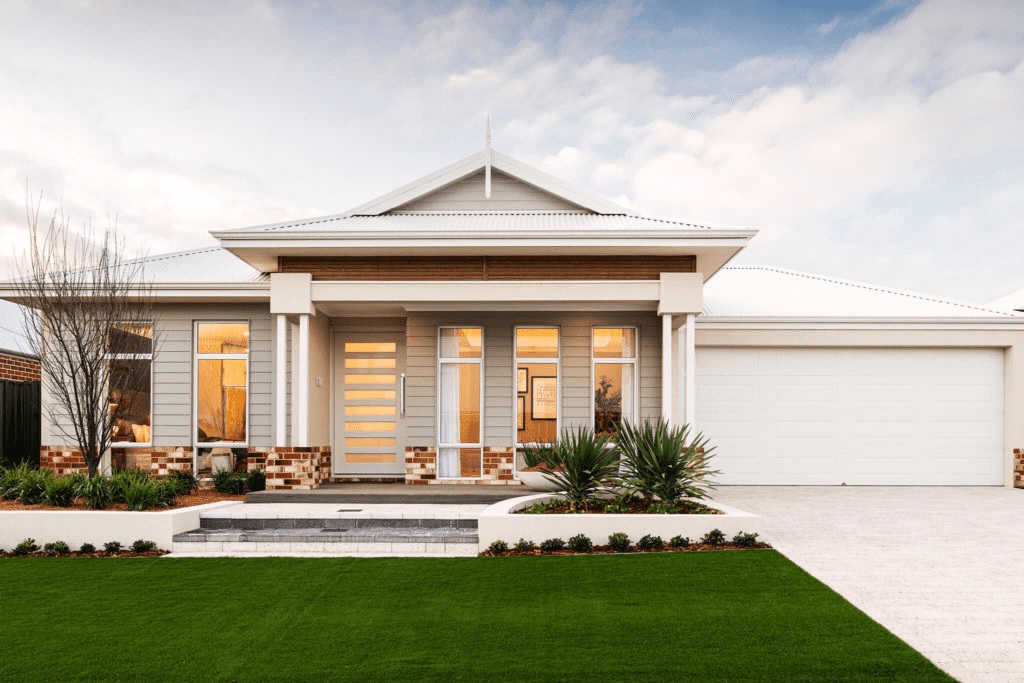
A home is more than just a physical structure; it represents security, identity, and a sense of belonging. Whether it is a small apartment, a countryside cottage, or a family house, the idea of home holds profound meaning in every culture. Understanding its importance helps us appreciate how it shapes lifestyles, relationships, and wellbeing.
The Meaning of Home
Home symbolises stability and familiarity. It is often the place where people feel safest, surrounded by memories and personal touches. Beyond being a shelter from external conditions, it reflects identity and values. For many, home is the anchor that provides comfort during both joyful and challenging times.
Essential Elements of a Home
Every home carries a unique character, but several elements remain universally significant:
-
Safety and security: A home provides physical protection from weather, intruders, and uncertainty.
-
Comfort: From furniture to lighting, comfort plays a major role in creating a welcoming space.
-
Personalisation: Décor, colours, and family photos turn a house into a home.
-
Functionality: Practical layouts and design enable smooth day-to-day living.
-
Connection: It serves as a central hub for family gatherings and social interactions.
Types of Homes
Homes vary greatly across societies and cultures. Some common types include:
Detached houses
Often found in suburban or rural areas, detached houses provide independence, outdoor space, and privacy. They allow greater flexibility for design and renovation.
Apartments and flats
Located mainly in urban areas, these offer convenience and access to nearby amenities. Modern apartments often feature shared facilities such as gyms, gardens, or communal lounges.
Cottages and bungalows
Smaller, cosy homes often associated with countryside living. They provide charm and simplicity, appealing to those who value a slower pace of life.
Shared homes
Student housing, co-living spaces, and family-shared properties highlight the growing trend of shared living to reduce costs and foster community.
Designing a Comfortable Home
Designing a home goes beyond aesthetics. It is about functionality and emotional wellbeing:
-
Lighting: Natural light enhances mood, while layered lighting creates ambience.
-
Space planning: Maximising available space ensures efficient movement and storage.
-
Colour psychology: Soft tones encourage calm, while vibrant colours energise a room.
-
Greenery: Indoor plants improve air quality and bring nature indoors.
-
Technology: Smart home devices increase convenience and energy efficiency.
Emotional Importance of Home
A home carries emotional significance that extends into identity and memory. Childhood homes often remain etched in memory, tied to comfort and family bonds. For adults, creating a home becomes a personal journey, reflecting achievements and aspirations.
Home as a Social Space
Homes also play a central role in social connections. Family meals, celebrations, and gatherings strengthen bonds and create lasting traditions. The living room, kitchen, or garden often serve as communal areas where people come together.
The Role of Home in Wellbeing
Research consistently highlights the connection between home environments and mental health. A clutter-free, well-organised space reduces stress. Natural elements, such as wood and plants, bring calmness. Personalised décor can increase feelings of happiness and belonging.
Modern Challenges in Housing
The concept of home has evolved with societal changes. Rising urbanisation, economic challenges, and environmental concerns affect housing globally:
-
Affordability: Rising property prices make it difficult for many to own a home.
-
Space limitations: Urban housing often means compact living.
-
Sustainability: Eco-friendly designs and energy-efficient systems are increasingly prioritised.
-
Remote working: Homes now double as workplaces, requiring adaptable spaces.
Creating a Sustainable Home
Sustainability is becoming central in home design and management:
-
Energy-efficient appliances: Reduce utility costs and environmental impact.
-
Insulation and ventilation: Improve comfort and reduce heating expenses.
-
Water-saving systems: Smart taps, dual-flush toilets, and rainwater harvesting.
-
Eco-friendly materials: Bamboo, reclaimed wood, and recycled metals.
FAQs About Home
What makes a house feel like a home?
Personal touches such as photographs, artwork, favourite furniture, and décor choices transform a space into a true home.
How can I make a small home feel spacious?
Using mirrors, multi-functional furniture, and light colours can create the illusion of more space without compromising comfort.
Why is natural light important in a home?
Natural light boosts mood, supports circadian rhythm, and reduces dependency on artificial lighting.
What is the role of technology in modern homes?
Smart devices such as thermostats, lighting systems, and voice assistants improve convenience, safety, and energy efficiency.
How can I create a calm and peaceful atmosphere at home?
Minimalist design, natural elements, and calming colours help establish a tranquil environment.
Why is sustainability important in housing?
Eco-friendly homes reduce environmental impact, lower running costs, and ensure long-term benefits for both residents and the planet.

Comments are closed.