

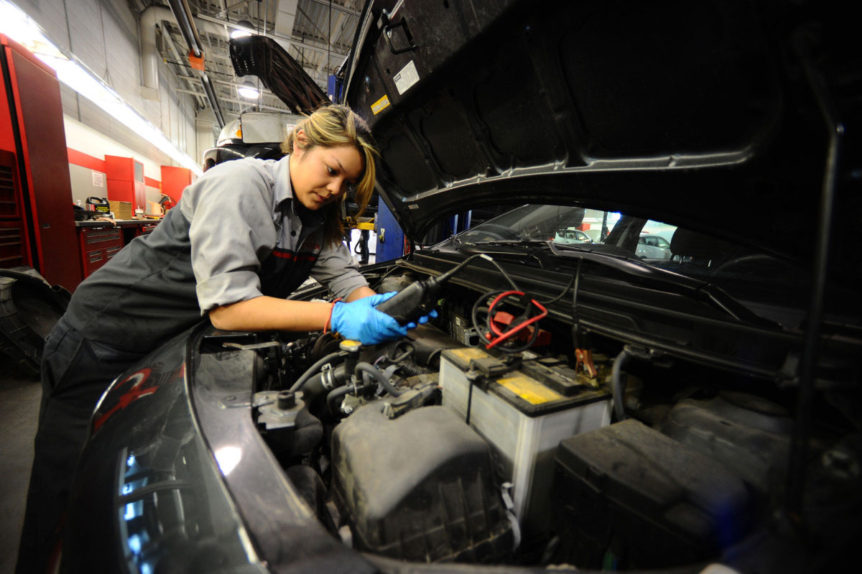
Auto repair is more than just fixing broken parts; it’s about maintaining your car’s health, extending its lifespan, and ensuring safety on the road. Whether you’re a new driver or someone with years of experience, understanding the fundamentals of auto repair can save you time, money, and unnecessary stress.
In this article, we’ll explore everything you need to know about auto repair, from essential maintenance routines to recognising signs of potential issues. With the right knowledge, you’ll be able to make informed decisions when visiting a garage or even carry out some basic fixes yourself.
Why Auto Repair and Maintenance Matter
Proper vehicle care is essential for safety, reliability, and cost savings. When you keep up with regular maintenance, you reduce the risk of sudden breakdowns and expensive repairs later. Routine inspections and timely servicing also improve fuel efficiency and performance, helping your car run smoothly for years.
Neglecting repairs may result in larger issues, such as engine damage or brake failure. For many drivers, understanding the basics of auto repair builds confidence when dealing with mechanics and ensures they avoid unnecessary expenses.
Common Auto Repairs Every Driver Encounters
Cars are made up of thousands of components, but certain repairs are more common than others. Knowing about these helps you prepare for what lies ahead.
Brake Repairs
The braking system is critical for safety. Over time, brake pads wear out and need replacing. Ignoring squeaky or grinding brakes can damage rotors and lead to costly replacements.
Battery Replacements
Car batteries typically last three to five years. Signs of a failing battery include slow engine cranking, dimming headlights, and dashboard warning lights.
Tyre Replacements and Wheel Alignments
Tyres wear unevenly without proper alignment. Regular checks prevent premature wear and improve fuel efficiency. Worn tyres not only compromise grip but also put you at risk in wet conditions.
Oil and Fluid Changes
Engine oil, transmission fluid, and coolant keep systems lubricated and cooled. Skipping fluid changes can cause overheating, corrosion, or even total system failure.
Suspension and Steering Repairs
If your car feels unstable, pulls to one side, or you hear clunks when driving over bumps, your suspension system may need attention.
Essential Maintenance Practices
Keeping your car in top condition doesn’t always mean expensive repairs. Consistent preventive care makes a big difference.
- Check fluid levels regularly, including oil, coolant, brake, and transmission fluid.
- Inspect tyres for wear, cracks, or low tread depth.
- Replace air filters to ensure clean airflow for efficient fuel combustion.
- Schedule tune-ups to keep the engine running efficiently.
- Monitor warning lights on your dashboard instead of ignoring them.
These practices not only extend the life of your car but also provide peace of mind when driving long distances.
DIY Auto Repairs You Can Try
While complex issues should be left to professionals, some minor repairs are simple enough for beginners.
Changing a Flat Tyre
Every driver should know how to replace a flat tyre with the spare. It’s a quick fix that prevents you from being stranded.
Replacing Wiper Blades
Clear visibility is essential, especially during heavy rain. Changing wipers takes only a few minutes and requires no special tools.
Checking and Replacing Fuses
If your radio, interior lights, or windows stop working, a blown fuse may be the cause. Replacing it is an easy and inexpensive fix.
Changing Air Filters
Both cabin and engine air filters can be replaced at home, improving air quality and engine performance.
When to Seek Professional Help
While DIY can save money, some problems require expert intervention. Visit a garage if you encounter:
- Persistent engine warning lights
- Transmission slipping or rough shifting
- Strange noises like grinding, knocking, or whining
- Sudden drops in fuel efficiency
- Excessive exhaust smoke
Trained mechanics have diagnostic tools and experience to resolve complex problems accurately and safely.
Choosing the Right Auto Repair Service
Finding a trustworthy mechanic is crucial. A reliable service ensures quality work and prevents unnecessary costs.
What to Look For
- Certification and qualifications such as ASE (Automotive Service Excellence)
- Positive reviews and word-of-mouth recommendations
- Clear estimates and transparent pricing
- Warranty on parts and labour
- Good communication about required repairs and options
Questions to Ask Your Mechanic
- What caused the issue?
- Are there alternative solutions?
- How urgent is the repair?
- What warranty comes with the work?
The Future of Auto Repair
Technology is reshaping the automotive industry, and repair services are evolving to match. Electric vehicles (EVs) and hybrid cars require specialised training and equipment. Computer diagnostics, software updates, and advanced safety systems mean that repair shops must continuously upgrade their skills.
Cost-Saving Tips for Auto Repairs
Car repairs can be expensive, but there are practical ways to reduce costs:
- Keep up with regular maintenance to prevent major failures.
- Compare quotes from different garages before committing.
- Learn basic DIY fixes for minor issues.
- Invest in quality parts that last longer.
- Use seasonal offers or loyalty discounts at reputable service centres.
FAQs on Auto Repair
How often should I service my car?
Most cars benefit from a service every 6,000 to 10,000 miles, depending on manufacturer recommendations and driving conditions.
Why is my car pulling to one side?
This usually indicates poor wheel alignment, uneven tyre pressure, or suspension issues. It’s best to have a mechanic inspect it.
Can I use any engine oil for my car?
Not all oils are suitable. Always use the grade recommended by your vehicle manufacturer to ensure optimal engine health.
What’s the difference between maintenance and repair?
Maintenance involves preventive actions like oil changes and inspections, while repairs fix faults once they occur.
Are electric cars cheaper to maintain?
Yes, EVs typically have fewer moving parts, which means fewer repairs. However, when issues arise, specialised knowledge and tools are required, which may increase labour costs.

Comments are closed.